

Oil pulling is an ancient practice with many health benefits, but can it actually prevent the need for root canal therapy? This treatment is often necessary when the inner part of a tooth becomes infected or damaged beyond repair. While oil pulling may improve oral health, it’s important to understand the role it plays in preventing severe dental issues.
What is Oil Pulling?
Oil pulling involves swishing a tablespoon of oil (typically coconut or sesame oil) in your mouth for 15 to 20 minutes. This technique has its roots in Ayurvedic medicine and is believed to detoxify the mouth, improve oral hygiene, and even contribute to overall health. The oil is thought to “pull” toxins and harmful bacteria from the mouth, which can reduce plaque buildup, gum inflammation, and bad breath.
How Does Oil Pulling Affect Oral Health?
The main reason people turn to oil pulling is its potential to reduce bacteria in the mouth. Oil, particularly coconut oil, contains lauric acid, which has antibacterial properties. Swishing oil around the mouth may help remove harmful bacteria, reduce plaque, and prevent gum disease, both of which are known contributors to tooth decay.
While oil pulling may help keep bacteria at bay, it’s important to note that it doesn’t remove plaque from hard-to-reach areas between your teeth or deep inside your gums. Plaque buildup can lead to cavities, and if left untreated, this may eventually lead to infections that could require a root canal treatment.
Can Oil Pulling Prevent Root Canal Therapy?
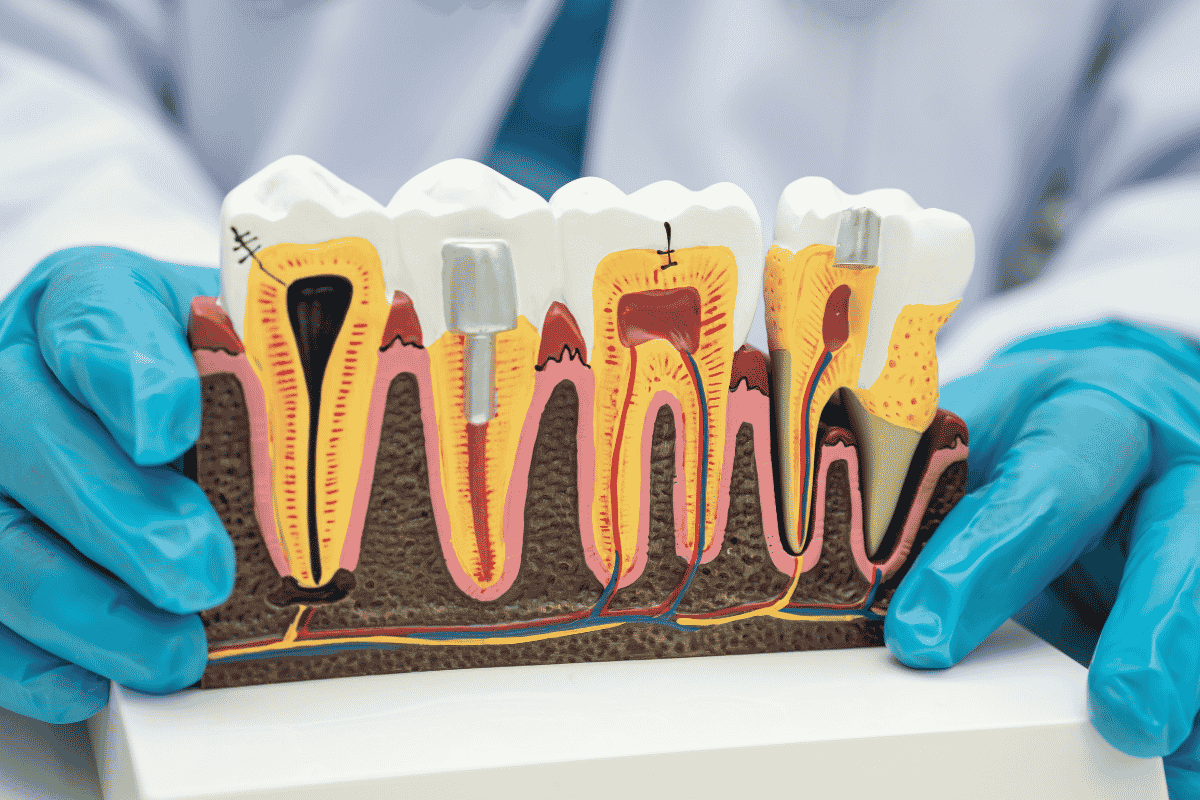
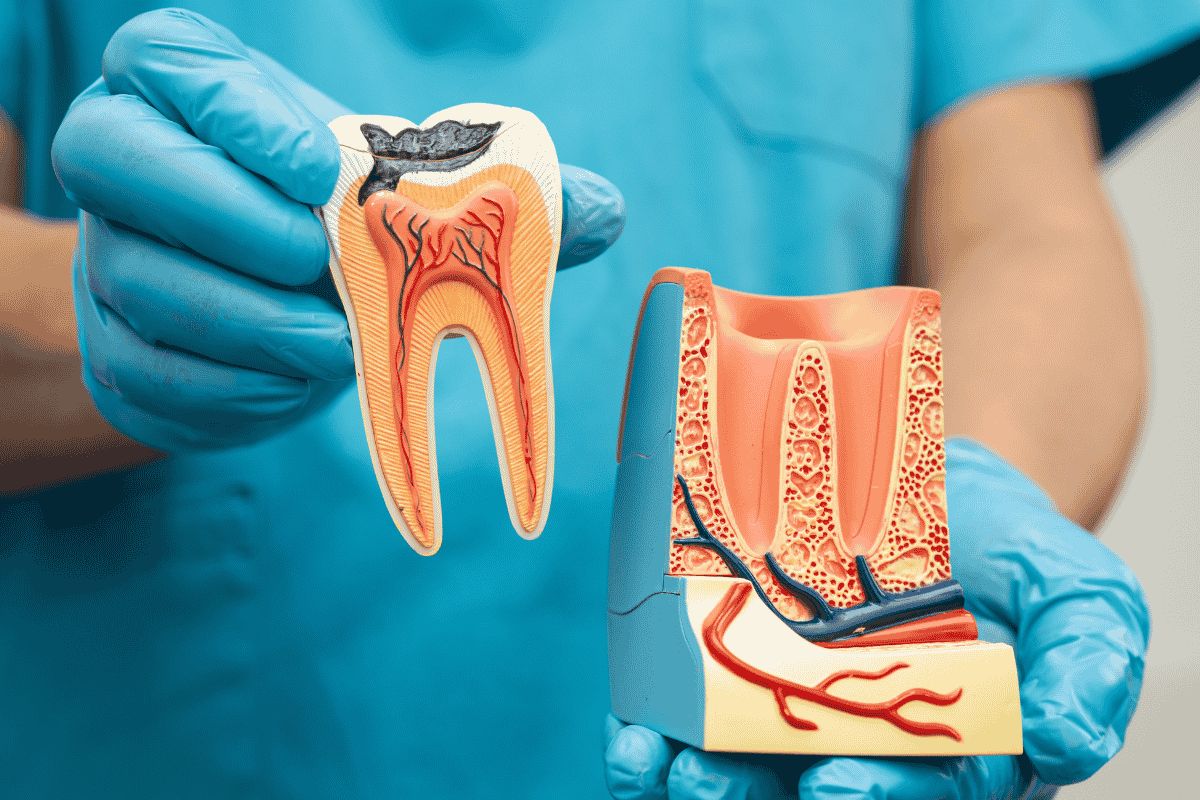
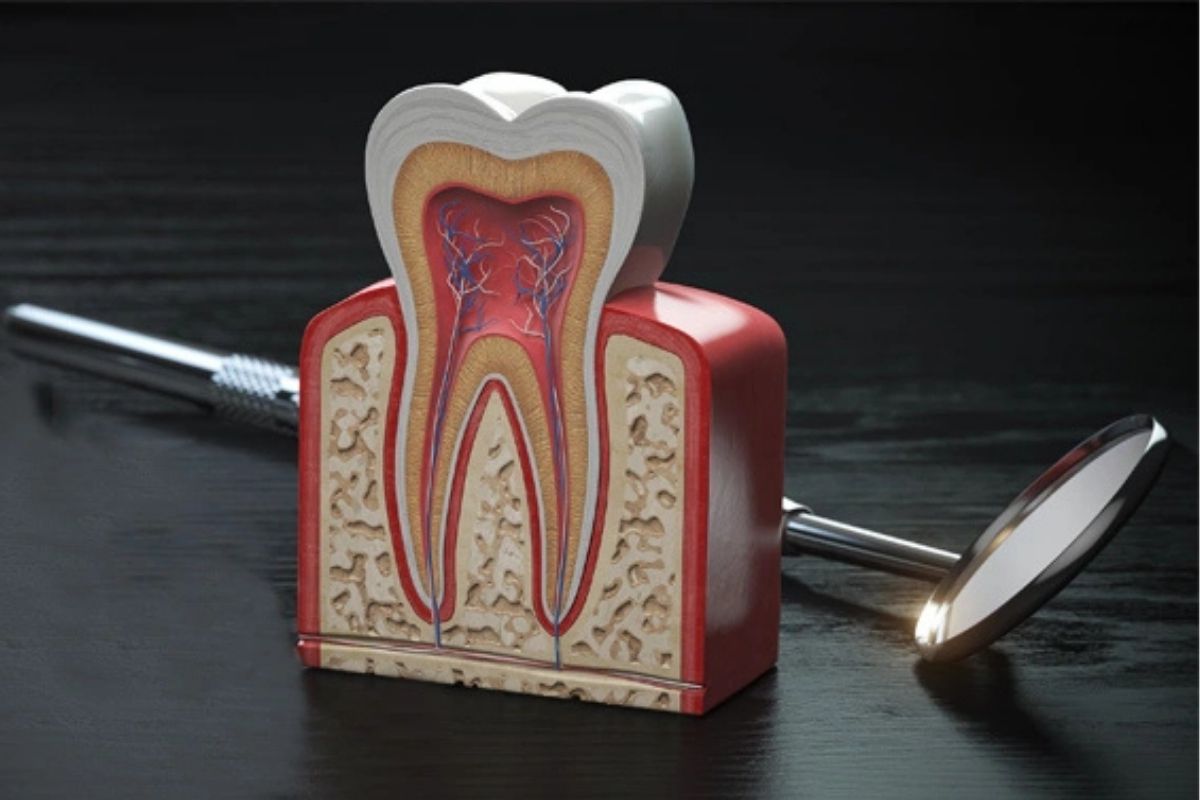
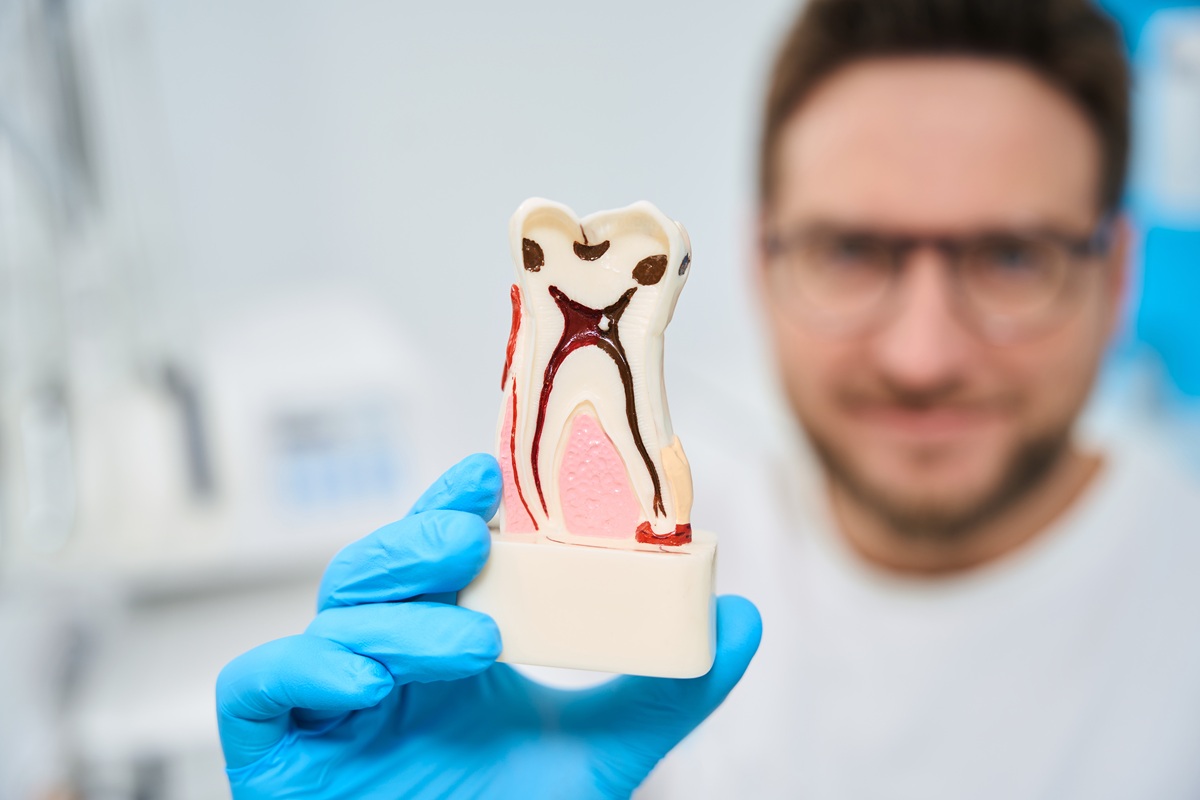
This endodontic therapy becomes necessary when the tooth pulp, the tissue inside the tooth, becomes infected due to deep cavities, trauma, or other issues. The infection can cause severe pain and discomfort, and if left untreated, it can spread, ultimately requiring the procedure to remove the infected pulp and save the tooth.
While oil pulling is beneficial for general oral hygiene, it is unlikely to prevent the need for the procedure. Here’s why:
- Oil Pulling Doesn’t Fix Existing Cavities: Oil pulling can’t heal if a cavity has already formed and penetrated deep into the tooth. Once a cavity reaches the pulp, only a root canal can address the infection and preserve the tooth.
- Oil Pulling Doesn’t Reach Deep Enough: While oil pulling can remove surface-level bacteria and plaque, it can’t penetrate the deep layers of your teeth where decay might be hiding. If you have a tooth infection or significant decay, seeing a dentist for proper treatment is essential.
- It’s Not a Substitute for Professional Care: Oil pulling is complementary to brushing, flossing, and regular dental visits. It can help reduce plaque and gum disease, but it shouldn’t replace professional dental care, especially for advanced conditions like root canal therapy.
How to Use Oil Pulling Effectively?
If you’re interested in using oil pulling as part of your oral care routine, here’s how to do it correctly:
- Choose the Right Oil: Coconut oil is often recommended due to its antibacterial properties, but sesame oil and sunflower oil can also be used.
- Swish for 15–20 Minutes: Take a tablespoon of oil and swish it gently in your mouth for 15 to 20 minutes. Be careful not to swallow the oil, as it will contain the bacteria and toxins you’re trying to remove.
- Spit It Out Properly: After swishing, spit the oil into the trash can. Avoid spitting it into the sink as it can clog pipes. Rinse your mouth with water, and follow up with brushing and flossing.
- Consistency is Key: For oil pulling to be effective, it needs to be done consistently. Aim for at least three to four times a week as part of your daily oral hygiene routine.
When to Seek Professional Care?
While oil pulling can improve your oral hygiene, it’s crucial to recognize when professional dental care is necessary. If you experience any of the following signs, it’s time to visit your dentist:
- Persistent tooth pain or sensitivity to hot and cold
- Swelling or tenderness around a tooth
- Darkening of a tooth or visible signs of infection
- A constant bad taste or odor in your mouth
Root canal therapy in Layton may be necessary if these symptoms indicate that the tooth pulp is infected or damaged.
Take Control of Your Oral Health Today
While oil pulling can improve your oral hygiene, it’s important to remember that it’s not a replacement for professional dental care. If you are experiencing any signs of tooth decay or discomfort, don’t wait for the problem to worsen. Regular dental checkups and early intervention are crucial to avoiding complications that may require more extensive procedures like root canal therapy. At Mountain View Endodontics, our experienced team is committed to providing you with the best dental care available.
Whether you’re looking to prevent dental issues or need a thorough evaluation, we are here to help. Visit our dental office today to ensure your oral health remains in top condition. Let us help you maintain a healthy smile with personalized, professional care you can trust. Schedule your appointment today to achieve a healthy, vibrant smile for life.
FAQs
1. Can oil pulling replace brushing and flossing?
Oil pulling should never replace brushing and flossing. It is a supplementary practice that can enhance oral health when used in conjunction with proper oral hygiene.
2. How often should I practice oil pulling?
Oil pulling should be done consistently, ideally 3–4 times a week. However, it’s important not to rely solely on oil pulling for oral health.
3. Will oil pulling help with tooth sensitivity?
While oil pulling can reduce gum inflammation and bacteria, it’s unlikely to treat the underlying causes of tooth sensitivity. It’s important to address the root cause with your dentist.
4. Can oil pulling help prevent cavities?
Oil pulling may reduce plaque and bacteria that contribute to cavities, but it cannot reverse existing decay. Regular dental visits are necessary for cavity prevention and treatment.
5. How long does it take to see results from oil pulling?
You may start noticing improvements in gum health and fresher breath within a few weeks of consistent oil pulling. However, it won’t prevent deep cavities or infections.